What Buyers Often Overlook in New York Mills Property Searches
It is easy to fall in love with a home in New York Mills after one good showing. A roomy yard, a quiet road, a nearby lake, and the promise of four-season living can make a property feel like the perfect fit within minutes. But seasoned buyers know that the details hiding beyond the listing photos often matter just as much as the kitchen, the garage, or the view. In this part of Minnesota, lot size, septic setup, and winter access can shape day-to-day life in ways many first-time cabin or rural-home buyers do not expect.
That is especially true when a property sits just outside the more obvious in-town grid. A house may look straightforward on paper, yet the land itself may have restrictions, drainage quirks, tree cover issues, or access concerns that affect future plans. Buyers who want extra outbuildings, hobby space, a garden, or room for recreational equipment should take a closer look at what the parcel actually offers beyond the headline acreage number.
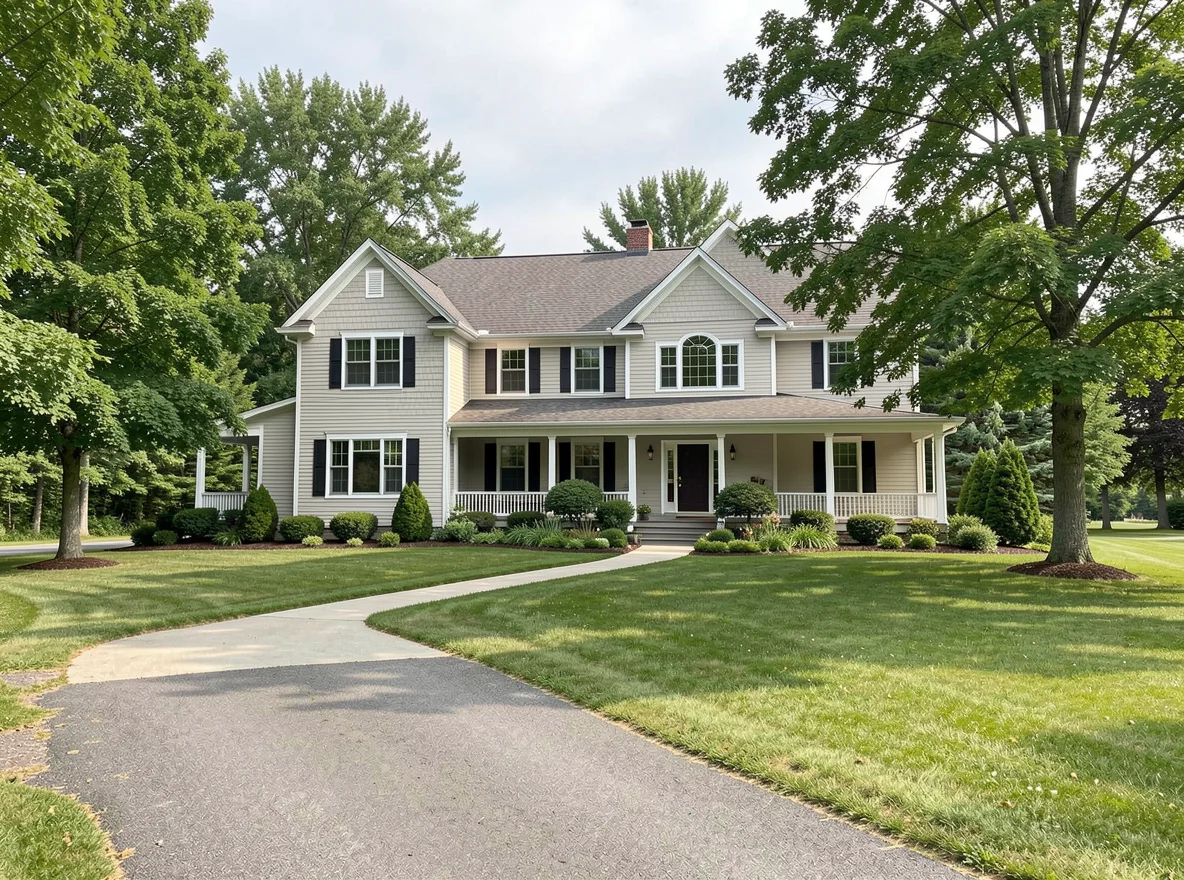
Lot size is one of the biggest examples. A listing might advertise one acre, three acres, or ten acres, but that does not always mean every part of the property is equally usable. Some land may be heavily wooded, wet during spring thaw, oddly shaped, or limited by setbacks and easements. In lake-country communities near New York Mills, portions of a lot can also be affected by shoreland rules, drainage patterns, or soil conditions that make expansion more complicated than expected. Buyers dreaming of adding a workshop, guest cabin, or fenced area for pets should ask not only how much land there is, but how much of it is practical to use.
There is also the question of maintenance. Larger parcels can be wonderful for privacy, recreation, and long-term value, but they usually come with more mowing, snow clearing, tree management, and general upkeep. That may be a benefit for buyers who want elbow room and a true Up North lifestyle. For others, especially those purchasing a second home or planning low-maintenance retirement living, a smaller and better-positioned lot can be more enjoyable than a larger parcel that demands constant work.
Septic systems are another area where buyers sometimes underestimate the importance of due diligence. Many rural and semi-rural homes around New York Mills rely on private septic rather than municipal sewer, and that means the system deserves careful attention before closing. Age, design, tank size, drain field condition, compliance status, and expected remaining life all matter. A septic system can function well for years, but if it is outdated, undersized, or non-compliant, replacement costs can become a major budget issue shortly after move-in.
Why Septic Details Matter More Than Buyers Expect
For families, seasonal residents, and remote workers alike, septic capacity should match the way the property will actually be used. A charming two-bedroom cabin that has been lightly occupied on summer weekends may not be ideally configured for full-time living, larger gatherings, or future additions. If a buyer plans to remodel, increase bedroom count, or create more guest space, septic limitations can affect what is legally and practically possible. This is one of those behind-the-scenes topics that may not feel exciting during a tour, but it has a direct impact on comfort, resale value, and renovation flexibility.
Water and soil conditions are part of that conversation too. Certain lots drain beautifully, while others hold moisture longer or behave differently after snowmelt and heavy rain. In a northern climate, those seasonal patterns matter. A property that seems dry and simple in late summer may tell a different story in spring. Asking about inspections, compliance records, pumping history, and known repairs can help buyers avoid unpleasant surprises and negotiate from a much stronger position.
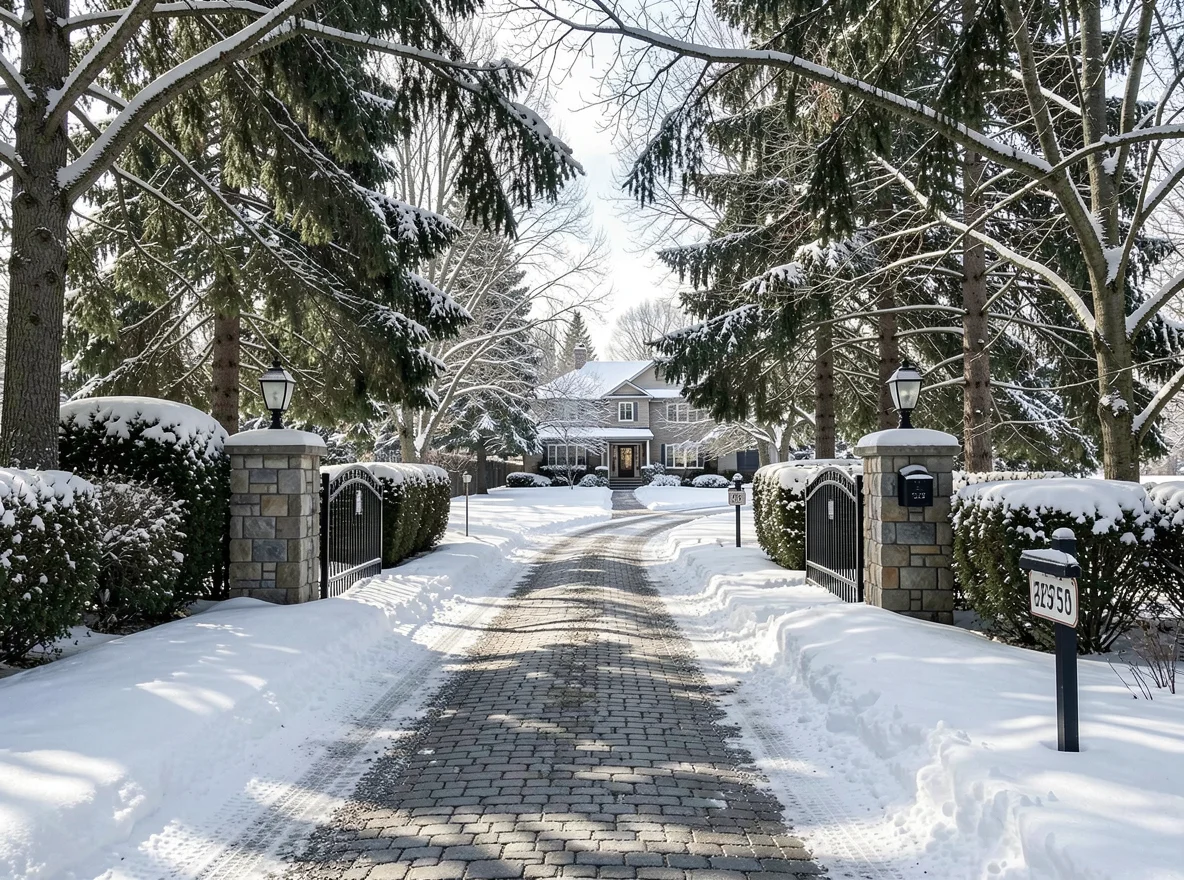
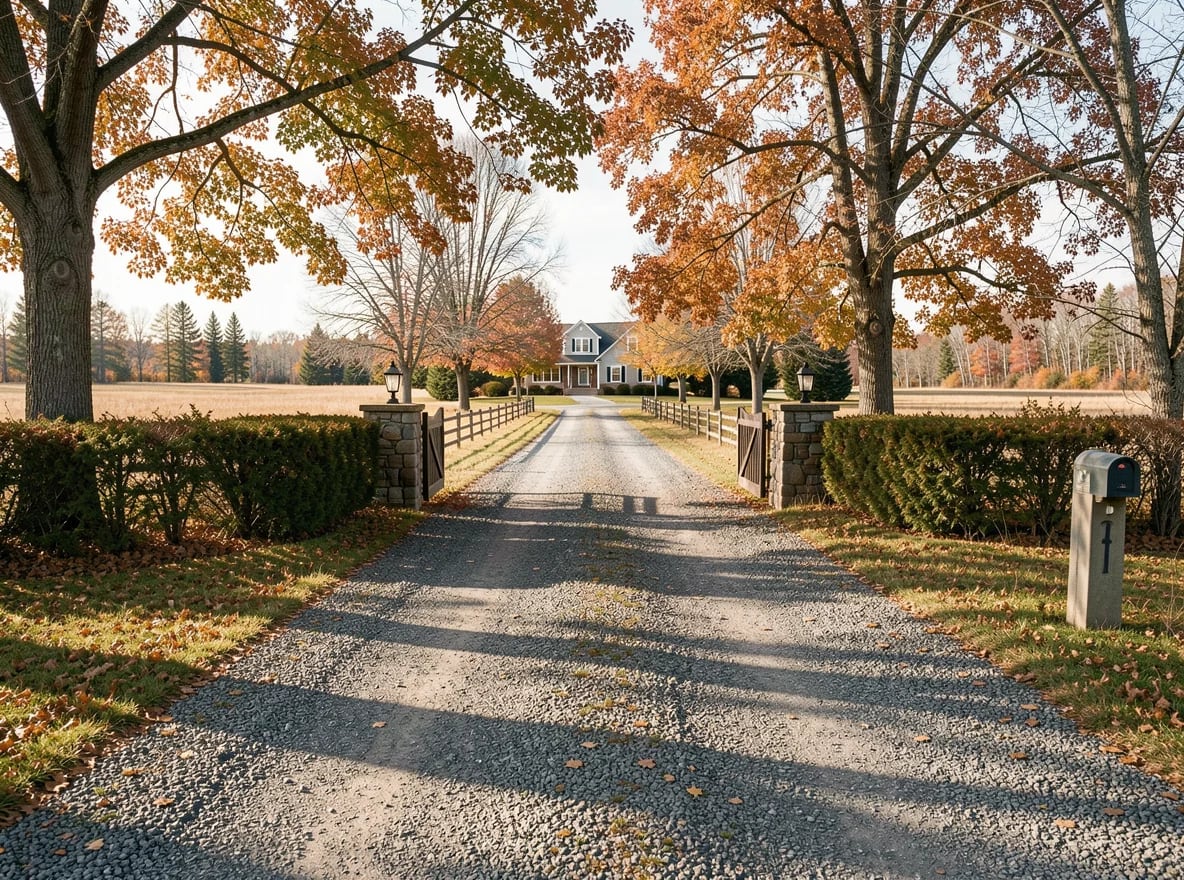
Then comes winter access, a factor that can completely change how a property feels from one season to another. In January, a long picturesque driveway may become a serious responsibility. Buyers should find out whether the road is publicly maintained, privately shared, or dependent on an association arrangement. They should also ask who plows the driveway, how often it is serviced, and whether drifting, slope, or tree cover create recurring access problems. A home that feels wonderfully secluded in July can be far less convenient during a windy Minnesota winter.
Vehicles, travel habits, and lifestyle all play into that decision. If a buyer commutes early, hosts family for the holidays, or plans frequent winter weekends at the property, reliable access matters just as much as square footage. Even package delivery, propane service, emergency response, and school transportation can be affected by road conditions and driveway design. The practical side of country living is not meant to discourage buyers; it simply deserves the same attention as finishes and décor.
That balance is part of what makes the New York Mills area so appealing. Buyers are drawn here for space, lakes, trails, strong community character, and a pace of life that feels grounded and real. There is a welcoming small-town spirit, local events throughout the year, and easy access to outdoor recreation ranging from boating and fishing in the warmer months to snowmobiling and winter sports when temperatures drop. For many people, that four-season rhythm is exactly the point of buying here.
Looking Beyond the Listing Creates Better Decisions
The local real estate market often includes a mix of in-town homes, country properties, cabins, and lake-area opportunities, which gives buyers real variety. Some want a manageable home close to schools and conveniences. Others want acreage, privacy, and room for equipment, trailers, or recreational gear. In either case, the smartest purchase usually comes from understanding how the property will live in every season, not just how it presents on showing day.
That is where careful guidance can make a real difference. Buyers who ask better questions about land usability, septic compliance, road maintenance, and winter logistics tend to feel more confident after closing. They know what they are taking on, what future improvements may require, and how the home fits their long-term plans. In a market where lifestyle is such a major part of value, practical knowledge is every bit as important as curb appeal.
For anyone considering a move or second-home purchase in this area, the takeaway is simple: look past the obvious and dig into the property’s everyday functionality. A beautiful place becomes an even better investment when the lot works for your goals, the septic supports your plans, and winter access is dependable. Those are the details many buyers miss at first glance, but they are often the very things that turn a good purchase into a great one.