
Smart Ways to Prep a Butler Rural Home for Sale Without Overspending
Smart Ways to Prep a Butler Rural Home for Sale Without Overspending
Selling a rural property comes with a different set of challenges than listing a home in a dense subdivision. Buyers are often evaluating more than square footage and finishes—they are noticing the land, the approach to the house, outbuildings, maintenance habits, and whether the entire property feels manageable and well cared for. The good news is that getting a country home market-ready does not have to mean pouring money into major renovations. A few strategic improvements can create a stronger first impression, support a better asking price, and help buyers picture themselves settling into the quieter pace of life.
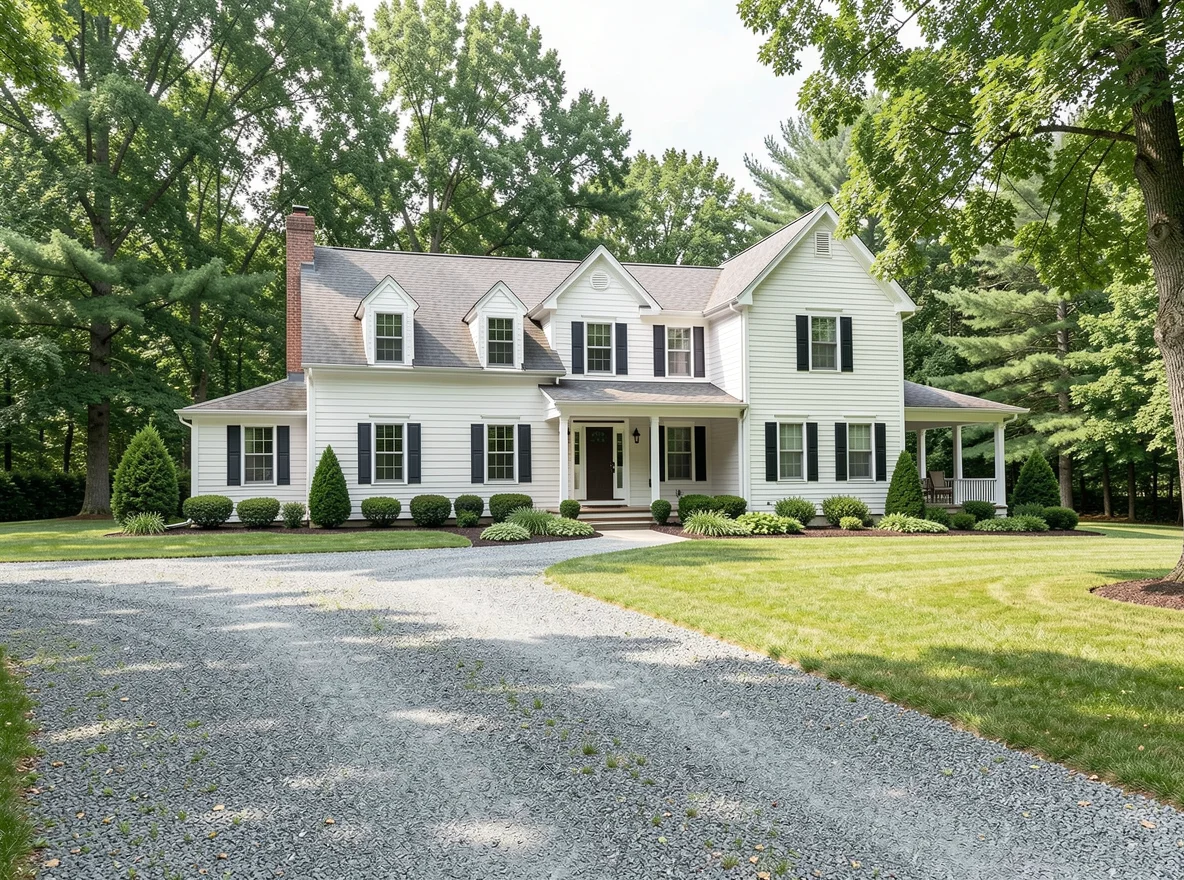
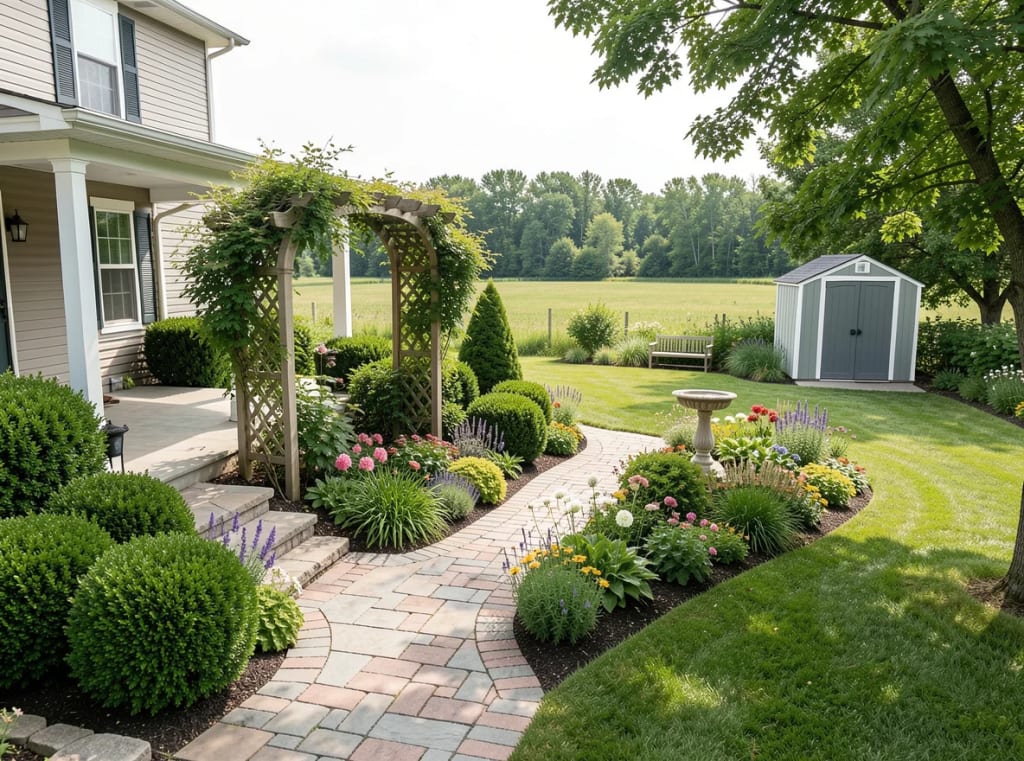
Start with the outside, because that is where expectations are formed. In a rural setting, the driveway, mailbox, fencing, porch, and surrounding acreage all act as part of the welcome. Trim back overgrowth, mow consistently, remove broken equipment, and stack materials neatly if they must remain on site. Pressure washing siding, touching up chipped paint, and replacing a tired front light can do more for buyer confidence than an expensive cosmetic project inside. If the property includes a barn, detached garage, shed, or workshop, clean those spaces too. Buyers looking at rural homes often place real value on utility buildings, but only if they look functional rather than forgotten.
Inside the home, focus on cleanliness, light, and flow instead of chasing perfection. Country homes often have practical layouts and materials chosen for durability, which is perfectly fine, but clutter can make rooms feel smaller and darker than they are. Remove extra furniture, clear countertops, and store away personal collections so each room reads with a purpose. If walls are painted in bold or very dated colors, a fresh coat of warm neutral paint is one of the most affordable improvements available. It photographs well, brightens interiors, and helps buyers focus on the home itself rather than your décor. Deep cleaning also matters tremendously in rural properties, especially around mudrooms, entryways, utility spaces, and basements where dust and wear can accumulate.
One of the smartest ways to avoid overspending is to fix what signals neglect. Leaky faucets, loose cabinet hardware, torn screens, squeaky doors, cracked outlet covers, and burned-out bulbs may seem minor, but together they can make a buyer assume larger problems exist. On acreage or in more remote locations, that impression can be even more costly because buyers may already be wondering about wells, septic systems, roof age, drainage, and heating efficiency. You do not need every feature to be brand new, but you do want the home to communicate that it has been responsibly maintained. When the basics feel solid, buyers are more comfortable accepting cosmetic imperfections.
Highlight the Lifestyle Buyers Want From a Rural Property
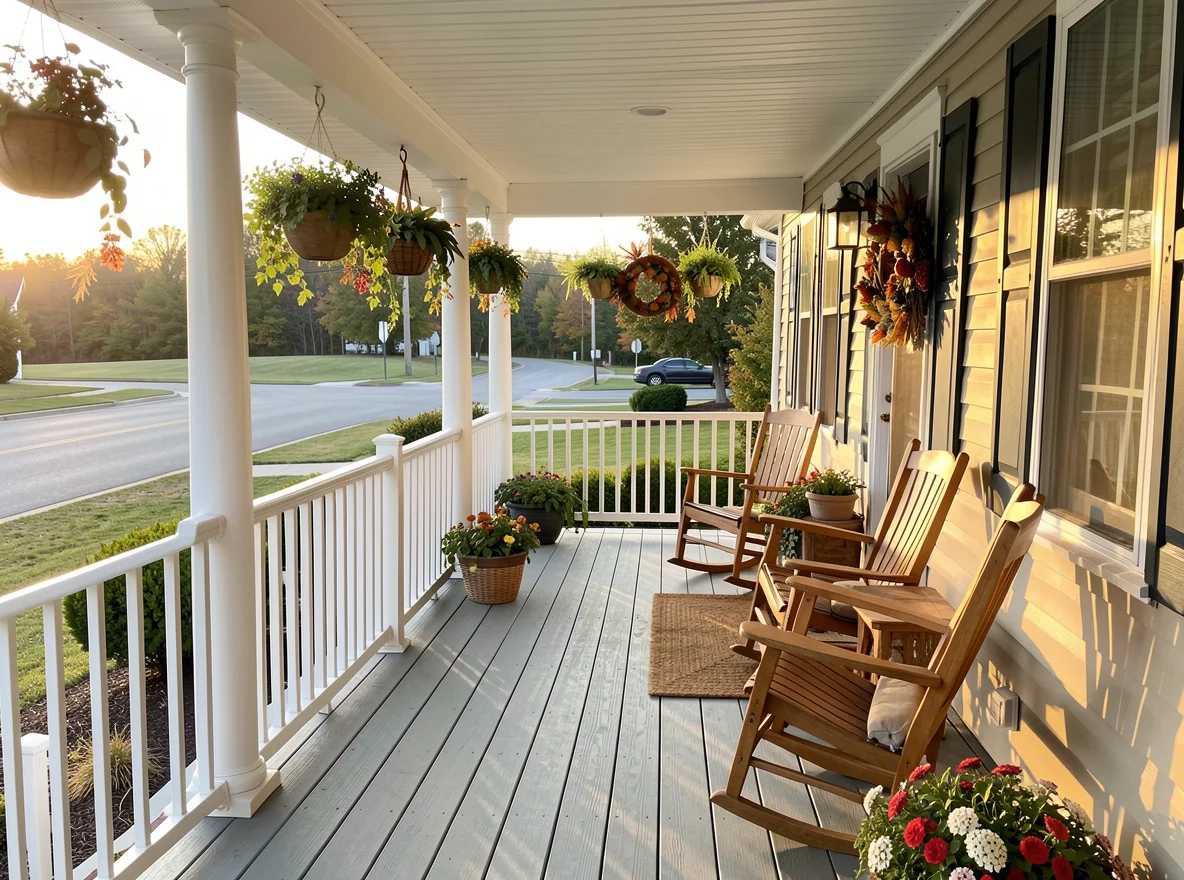
Rural homes are not just purchased for shelter—they are often chosen for space, privacy, scenery, and flexibility. That means preparation should support the lifestyle story. Create clear, usable outdoor zones that suggest how the property can be enjoyed. A few rocking chairs on the porch, a tidy seating area near a fire pit, or a swept path leading to a garden or outbuilding can help buyers understand the rhythm of daily life there. If the property offers sunrise views, open fields, wooded edges, or room for hobbies, make sure those assets are visible and easy to experience during a showing.
It also helps to think like a practical buyer. Rural purchasers may be considering gardening, keeping animals, parking recreational equipment, or working from home. Without over-staging, show that the property supports these possibilities. Organize the mudroom, make the laundry area look functional, and ensure garages or utility buildings feel accessible. If internet service, road access, or school routes are local selling points, have those details ready to share. A well-prepared listing in this segment balances charm with usable information, because buyers want both emotional appeal and everyday practicality.
Spend selectively where buyers notice value quickly. Lighting, paint, landscaping, and flooring transitions usually offer a stronger visual return than expensive kitchen or bath overhauls right before listing. If carpets are heavily worn, replacing them may be worthwhile; if they are simply dated but clean, pricing and presentation may matter more. Similarly, refinishing every cabinet may be unnecessary if the space is bright, clean, and functional. In many rural markets, buyers are willing to personalize finishes later, but they are less forgiving about maintenance concerns, odors, or obvious deferred care.
Photography and showing preparation should not be overlooked either. Rural homes benefit from images that capture both the house and the setting, so prepare for listing photos with the same care you would use for an in-person showing. Open curtains, turn on lamps, hide trash bins, coil hoses, move vehicles out of prime sightlines, and make sure pet areas are spotless. Because buyers may be traveling farther to tour a rural property, each showing needs to feel worth the trip. A calm, orderly presentation can make the home feel more valuable before anyone even starts comparing features.
Keep Costs Sensible and the Strategy Focused
The biggest mistake many sellers make is assuming they need to renovate heavily to compete. In reality, overspending before a sale can eat into proceeds without meaningfully improving market response. A better approach is to identify the small number of updates that improve condition, presentation, and confidence all at once. Think in terms of impact per dollar: clean up the land immediately around the home, freshen paint where needed, repair visible defects, improve lighting, and simplify each room. These are the moves that help a property feel cared for and ready for its next chapter.
For homeowners in and around Butler, a thoughtful prep plan should reflect the character of the property itself. Some buyers are searching for a full-time residence with breathing room, while others are drawn to hobby farms, multi-use outbuildings, or the quiet appeal of a home outside the busiest corridors. Positioning the property well means understanding what local buyers value most and avoiding upgrades they are unlikely to pay extra for. With smart guidance, sellers can emphasize land, livability, and potential without sinking money into unnecessary changes.
That is ultimately the goal: make the home feel welcoming, well maintained, and easy to imagine living in. When preparation is focused on first impressions, function, and the rural lifestyle buyers are really seeking, even modest updates can have an outsized effect. A polished country property does not need to look extravagant—it simply needs to feel honest, cared for, and ready. That is often what turns a casual showing into serious interest.